Check bill online, IESCO ONLINE BILL, Electricity bill
Smart Way to Check an IESCO Duplicate Bill
In today’s digital age and digital era, using IESCO Online Bill services for an IESCO bill view has become an efficient, fast, and convenient solution for online bill checking. From my experience, people usually search for a duplicate bill when an original bill becomes a misplaced bill, faces a due date issue, turns into a late bill, or an urgent bill appears unexpectedly. The Islamabad Electric Supply Company offers a checking system through the IESCO portal, website, secure website, app, and secure apps, giving online access and home access through simple steps. A customer in islamabad electric bill check online, Rawalpindi, and surrounding areas, or even users overseas in Pakistan, can use a reference number, reference no, electricity reference number, consumer ID, customer ID, 14-digit reference number, or 10-digit customer ID to view, download, print, save, or print save download a current bill, previous bill, online duplicate bill, duplicate copy, duplicate copies, latest bill, and past bills in PDF format with quick access and an instant check.
Tips to Reduce Your Iesco bill check online
When checking your IESCO Tesco online bill, I’ve noticed that small daily changes often create better results than big changes. To save energy, start by switching off lights and unused appliances, especially high-energy products, during peak hours. Make better use of natural light and keep well-ventilated rooms so there is less air conditioner use. During summer, when electricity demand increases, these habits help save money and also support the country’s energy needs. Using energy-efficient appliances and energy-efficient bulbs can reduce overall electricity usage and improve household energy management.
From practical experience, watching appliance consumption can make a clear difference in cost reduction. A fan may use around 4 units, a TV can consume about 3 units, while an air conditioner may reach 18 units in daily units when running continuously. I have seen that maintaining air conditioner performance and keeping track of how devices consume power can lower unnecessary usage and reduce monthly costs.
Understanding the Electricity Consumption of Appliances
From my experience, many consumers focus only on the total amount due on a monthly bill, but understanding bill components and the bijli bill sections gives a clearer picture of electricity usage and energy consumption. Looking at meter readings, units consumed, per-unit charges, consumption history, bill elements, important details, charges, taxes, income tax, fuel adjustment charges, government duties, due date, and payments helps in making informed decisions about finances and reducing unnecessary costs and extra payment risks. Knowing official IESCO peak hours, high-demand periods, electricity rates, seasonal schedule, daylight patterns, and usage patterns can also lower electricity costs, while understanding your electricity bill iesco from connection installation onward makes it easier to track spending and manage costs
Understanding Your Electricity Bill Online Check Made Simple
When people check bill online, they often only look at the total amount due and due date, but an IESCO bill contains many bill components and components of your bill that explain your real electricity usage. In my experience, a complicated bill starts to make sense once you understand the main components and key sections through a simple breakdown. Your IESCO online bill, IESCO bill online check by reference number, Lahore electricity bill, or electricity bill online check page can show consumption history, meter readings, units consumed, per-unit charges, taxes, income tax, fuel adjustment charges, government duties, bill elements, bill sections, and other important details that help ensure you are correctly charged and avoid paying extra.
I have seen many consumers make better decision-making choices after understanding their bill format and usage tracking details. Looking at monthly consumption, electricity costs, payments, finances, due dates, and energy consumption helps you manage bill expenses and reduce unnecessary costs. Knowing official IESCO peak hours, high-demand periods, electricity rates, seasonal schedule, daylight, and usage patterns can also help reduce electricity usage and estimate future bills. From your connection installation date onward, tracking your monthly bill and using the IESCO bill check regularly can help you make informed decisions, review the final amount, and spot errors early.
Key Elements of the IESCO Bill Check
From my experience, many people focus only on checking the gas bill online, the Pakistan electricity bills amount, and miss important details inside an IESCO bill. Understanding other charges, such as GST, TV fee, additional applicable taxes, additional taxes, tax charges, bill taxes, and electricity bill charges, can help explain changes in your bill amount. The reference number, a unique 14-digit number, bill identification, bill number, and consumer bill reference help track your bill correctly, while the due date, payment date, pay before date, payment reminder, billing date, bill payment, payment charges, and late payment charges help avoid delays. You should also understand FPA, Fuel Price Adjustment, fuel costs, fuel changes, electricity generation, electricity production costs, energy costs, and adjustment charges, along with TR Surcharge, Tariff Rationalisation Surcharge, balance electricity tariffs, electricity tariffs, tariff balance, tariff charges, surcharge amount, electricity rates, FC Surcharge, Financing Cost Surcharge, financing-related expenses, IESCO expenses, financing costs, surcharge costs, utility expenses, electricity expenses, and QTR Tariff Adjustment, Quarterly Tariff Adjustment, every quarter, tariff changes, updated tariff, tariff updates, quarterly changes, and electricity tariff changes because these directly affect your total bill value.
Simple Guide to Reading Your IESCO Bill
From my experience, many users first look at the due date, but understanding the full iesco customer bill gives a clearer picture. Start by checking the billing date, payment schedule, and payment deadline so you can complete bill payment and ensure payment on time. Setting a payment reminder can help avoid delay, especially when managing multiple utility payments during busy weeks. After that, review the detailed charges section carefully because it shows applied costs, adjustments, charges, bill costs, additional charges, cost details, and bill adjustments. Looking deeper into bill understanding also helps with electricity usage, tracking usage, monitoring consumption, electricity tracking, and better cost management. I have often seen people reduce unnecessary charges simply by checking bill details regularly and understanding where their usage patterns affect costs.
IESCO Customer Service and Support Details
From my experience, when users face IESCO bill issues, fast communication saves both time and stress. To access IESCO services and customer support, you can visit a complaint desk at a customer service centre for immediate assistance, use the helpline number 118 for inquiries and bill-related concerns, or choose online support through the official website, email, and social media platforms. For a new IESCO connection for your home or business, a step-by-step guide can help avoid delays and improve service access. The IESCO online portal can also help locate the nearest customer service centre or the closest service centre for complaints, technical issues, handling complaints, customer assistance, and issue resolution. The Islamabad Electricity Supply Company serves as an electricity provider across six areas and districts, including Islamabad, Attock, Rawalpindi, Jhelum, Chakwal, Cantt Rawalpindi, and other service areas for electricity supply. I have seen efficient customer service help with complaint handling, phone support, electricity issues, transformer problems, low voltage, and high load through multiple contact methods, including helpline, SMS complaint service, email support, and a customer care center offering 24/7 service, timely resolution, and advice through SMS Complaint Number 8118, Helpline Number 118, Customer Care Email iiescobill@gmail.com, Alternative Helpline 051-9252937, and Head Office Address 4 Street 40, G-7/4 Islamabad.
Understanding IESCO Tariff and Billing Changes
When checking an IESCO bill, I’ve noticed that many users focus only on the amount due and ignore tariff adjustments, even though they directly affect electricity expenses. These changes happen because of electricity pricing, operational costs, and shifting market conditions. A good tariff guide can help explain QTR Tariff Adjustment, which updates every quarter, along with tariffs, FPA, Fuel Price Adjustment, changing fuel prices, power generation, TR Surcharge, electricity tariffs, distribution costs, FC Surcharge, financing expenses, operational expenses, www iesco com pk bill check, electricity charges, and tariff changes that appear on bills.
From practical experience, understanding IESCO Unit Rates 2026, unit rates, consumption slab, latest tariff, official website, electricity tariff rates, electricity usage, and consumer rates makes bill analysis easier. FPA, fuel costs, bill adjustment, TR Surcharge, FC Surcharge, smooth power supply, cost recovery, and Quarterly Adjustments help maintain pricing stability, control electricity costs, and manage monthly electricity costs. The Islamabad Electric Supply Company also updates electricity tariff rates for 2026, helping consumers track electricity usage, electricity payment, updated tariff rates, IESCO Tariff, latest rates, and information available through a customer service center.
Common IESCO Bill Problems and Easy Fixes
From my experience, many people first notice an unusually high bill before realizing the actual issue. Problems like overbilling, estimated readings, billing errors, excessive charges, or wrong readings can create an inaccurate bill. In such situations, verify the meter reading, compare it with your bill details, and report issue details for IESCO correction through customer service or IESCO support. A quick bill review, bill adjustment, or correction request can often resolve a billing error before it becomes a bigger problem. Another common issue is a meter issue, such as a faulty meter, a malfunctioning meter, or another meter problem that causes incorrect billing and a billing issue. In these situations, IESCO reporting, meter inspection, and meter replacement may be needed. Sometimes, a bill not received situation also happens, where a monthly bill becomes a missing bill. You can use an online bill check Pakistan with your reference number or consumer number, submit a bill request, get a duplicate bill, or contact the IESCO helpline for help.
About IESCO
From what I have seen over the years, Islamabad Bill Check Electric Supply Company (IESCO) plays a major role in Pakistan’s electricity system. Established in 1998, it took over responsibilities from the Islamabad Area Electricity Board under WAPDA and manages electricity operations, electricity supply, electricity distribution, electricity sale, and electricity management across a wide region. Its service coverage extends from Attock to Jhelum and from the Indus River to the Neelum River in Kashmir, covering six districts and serving 4.1 million consumers, 3.2 million direct customers, and over 25 million people in the energy sector, affecting many daily lives. IESCO also focuses on sustainable development, reducing environmental impact, creating an environmentally responsible culture, supporting operations improvement, and prioritizing employee health, wellbeing, occupational health services, stress management policies, wellness initiatives, healthcare coverage, staff, families, and overall workplace wellbeing.
Its long-term Vision is to become a Pakistan public utility, an efficient organization, a profitable organization, a leading organization, a respected utility, and a strong part of the power sector, utility services, and public sector. Its Mission includes providing uninterrupted electricity for trade, industry, education, and social activities, becoming a socially responsible corporate citizen, achieving the highest efficiency among public utilities in Pakistan, reducing line losses in the distribution network, becoming a preferred employer, and generating sustainable profits for stakeholders. The IESCO Online Bill Checker was also a house and home app on the Google Play Store developed by Awesome Apps for All, released as an APK in August 2020, later unpublished on Oct 16 2024, marked unrated, updated on May 18 2023, with Everyone content rating, APK download size of 6.59 MB, version 13.0, available as a FREE download, with an app update for the mobile application.
Understanding the IESCO Structure
From my experience, many people only see the billing side of IESCO, but its internal service structure is designed for smooth electricity distribution and better customer support. The system works through operational structure and regional setups that support efficient distribution, regional services, and faster issue resolution. Different service areas are managed through Islamabad Circle, Rawalpindi Circle, Attock Circle, Jhelum Circle, and Chakwal Circle, which together handle the electricity network and strengthen regional management across different locations. The IESCO operational structure is built around operational circles, a divisional structure, multiple divisions, circles, regional operations, distribution management, service coordination, electricity operations, and broader utility operations. Behind the scenes, power stations and the feeder network support a stable electricity supply, a reliable electricity supply, power delivery, and consistent power delivery. These electricity systems, electricity infrastructure, and regional power supply setups also assist in fault management, reduce outages, and improve overall power management.
Areas Covered by IESCO
From what I have observed, IESCO (Islamabad Electric Supply Company) manages electricity coverage across a large region and diverse region of Pakistan, extending from Attock to Jhelum and from the Indus River in the south toward the Neelum River in Kashmir, covering the west and east service zones for electricity distribution and power supply across its service region. The network serves major cities such as Islamabad, Rawalpindi, and surrounding districts, smaller towns, rural areas, and urban areas across six districts, providing direct supply to 4.1 million consumers and affecting 25 million people in their daily lives under its jurisdiction. The service areas also include Chakwal, Cantt Rawalpindi, and Federal Capital Islamabad, delivering electricity supply to homes, businesses, schools, hospitals, and industries through a strong electricity network, while consumers can also use the IESCO online bill check through a 14-digit service for better access.
How to Pay Your IESCO Bill Online & Offline
For most users today, online payment methods have made IESCO bill handling much easier because they provide simple and convenient payment choices through online SEPCO bill and offline options. From my experience, mobile banking apps, a bank mobile app, the IESCO portal, IESCO website, mobile app, e-wallets, and digital wallets help complete bill payment with secure payments and smooth online transactions. Platforms like JazzCash, EasyPaisa, Upaisa, mobile wallets, mobile phone access, direct payment, digital payment, and hassle-free payment options save time. The IESCO mobile app also supports bill management, a bill payment platform, payment management, an official platform, utility payments, account access, and an online payment service.
If you prefer traditional methods, bank branches, an authorized bank branch, post offices, Pakistan Post, payment centers, ATM machines, mobile banking, physical payment, and utility bill payment are also useful for submitting payments and payment services. Many commercial banks, such as Meezan, Allied, and MCB, provide mobile banking services, online banking, payment flexibility, and easy customer payments. Usually, you simply log in through a website, open the bill payment section, choose utility bills, select the IESCO biller, enter your 14-digit reference number, verify bill details, continue with real-time payments, select the company, finish transaction completion, save reference number, and receive payment confirmation with SMS confirmation.
iesco web bill Bill Calculator
In my experience, an Islamabad Electric Supply Company Bill Calculator becomes useful when people want better budgeting and fewer bill surprises because it helps with accurate estimation of an electricity bill before the monthly bill arrives. Whether you are a resident, business owner, or tenant in Islamabad and nearby areas, the IESCO Bill Calculator supports tracking usage, usage tracking, electricity management, expense management, and managing expenses with smarter cost planning. It allows users to estimate costs, monitor electricity costs, check the IESCO bill online, use the Bijli Ka Bill online check features, and even plan for a new connection, making monthly power usage easier to understand and control.
Benefits of the IESCO Bill Calculator
From my experience, the IESCO Bill Calculator is useful because it provides accurate estimations through estimate calculation using consumption data and usage data, helping users understand electricity expenses, monthly expenses, and improve billing accuracy for an electricity bill. It also offers a transparent breakdown of the bill amount with fixed charges, energy charges, taxes, surcharges, electricity charges, billing details, and a detailed breakdown that is easier to understand. Its user-friendly design, intuitive interface, accessible interface, and simple usage create a better user experience for all users, even those with limited technical expertise, while easy access, online access, instant access, quick check, time efficiency, and a faster process help save time instead of waiting for a paper bill. The tool also supports energy conservation, electricity consumption, consumption tracking, energy usage, electricity savings, reducing expenses, and informed decisions for smarter power management.
IESCO Tariff Guide
From what I have seen while helping people understand utility costs, the IESCO Tariff Guide explains how the Islamabad Electric Supply Company tariff system works and helps consumers understand electricity usage, billing structure, and overall electricity costs in a simpler way. Whether you are a residential user, commercial user, industrial user, or applying for a new connection, understanding the IESCO bill, bill calculation, tariff rates, surcharges, electricity expenses, and electricity consumption helps in making informed decisions for optimizing consumption and smarter management of energy use.
How IESCO Tariff Rates Are Structured
From checking an IESCO bill, I’ve noticed that many people focus only on the final amount and miss how to check electricity bill online the billing system actually works. The tariff system is built around different tariff category groups and consumer billing rules. Residential Tariffs follow tiered rates, where consumption levels and monthly consumption decide electricity pricing. For example, 1-100 Units, 101-200 Units, 201-300 Units, 301-400 Units, 401-500 Units, 501-600 Units, 601-700 Units, and Above 700 Units each have different applicable variable charges and residential rates such as 22.44, 28.91, 33.10, 37.99, 40.20, 41.62, 42.76, and 47.69 Rs./kWh. As higher units increase, energy charges, electricity usage, and the electricity bill amount can change through the overall billing structure for every consumer type.
For Commercial Tariffs and Industrial Tariffs, higher electricity usage, electricity demand, load capacity, and consumption period play a major role. Commercial users and industrial users can use Time Of Use (TOU tariffs, peak, and off-peak schedules with peak hours and off-peak consumption rules. Plans such as prepaid commercial supply tariff, pre-paid industrial supply tariff, Electric Vehicle Charging Station, sanctioned load up to 5 kW, Up To 25 kW, Exceeding 25-500 kW, 400/230 Volts, 400 Volts, 5000 kW, 11,33 kV, 66,132 kV, 1000, 1250, 37.44, 40.91, 43.82, 35.15, 23.57, 47.10, 30.80, 30.73, 36.74, 30.05, 36.68, 27.41, 28.24, 27.96, and 44.46 affect electricity rates and rates adjustment. Your fixed monthly charges, service charges, variable charges, light bill check charges, usage charges, charge calculation, electricity units, electricity consumption, energy consumption, consumption-based charges, monthly billing, payment structure, billing amount, electricity expenses, and electricity costs all contribute to the final amount you see.
Key Elements of IESCO Tariff Rates
When reviewing an IESCO tariff schedule, I’ve seen many people only notice the final bill and miss the details behind the rate structure. Every consumer category and customer category follows a different schedule of tariffs, where pricing information, tariff rates, and billing structure are connected to electricity usage, electricity consumption, energy usage, and usage levels. The rate calculation usually depends on kilowatt-hour, kilowatt-hour consumption, electricity units, Rs./kWh, and consumption tiers, while residential consumers, protected residential consumers, unprotected residential consumers, and residential tariffs use tiered rates with different electricity rates and billing rates based on the consumer type and usage-based pricing model. Commercial customers and industrial customers follow commercial rates and industrial rates, where Time-of-Use, Time-of-Use Tariffs, TOU periods, peak hours, off-peak hours, peak periods, off-peak periods, and the time of day directly influence electricity pricing, electricity charges, and overall electricity billing within the complete tariff structure.
SCHEDULE OF TARIFF
While checking an IESCO tariff schedule, I’ve noticed that many users only look at the bill total and skip the details behind the rate structure. The schedule of tariffs is designed around different customer types, customer categories, and consumer category rules that affect pricing information, electricity pricing, and overall electricity rates. Residential consumers usually follow tiered rates based on kilowatt-hour consumption, electricity usage, electricity units, energy usage, and electricity consumption, which directly impact residential billing, consumer billing, billing rates, and electricity charges. For commercial customers and industrial customers, specific rates often depend on Time-of-Use, TOU periods, and Time-of-Use Tariffs, where time of day, peak hours, off-peak hours, peak periods, off-peak periods, usage patterns, and tariff variation can influence the complete tariff structure.
Bill Adjustment & Installments
If you ever notice a bill mistake, the quickest step is to visit the nearest service center and lodge a complaint with complete complaint details, consumer details, and request bill verification for any bill issue or billing concern. From what I’ve seen, proper complaint registration with customer support often speeds up service assistance and reduces delays. For Bill Installments, installments are generally not available for the current month bill, but pending arrears may be divided into 3 equal installments through an installment plan and adjusted under a payment schedule for easier arrears payment and bill division. If you face a high bill amount, review the back side of the bill for bill instructions and consumer guidance related to electricity usage, saving electricity, electricity savings, reducing costs, cost reduction, electricity costs, and controlling your monthly bill or overall bill amount.
Customer Support & Complaints
If you face a bill issue or billing issue, you can file a complaint through customer support for quick issue resolution and complaint assistance. In my experience, keeping complete details during complaint registration helps speed up service support and issue handling. You can visit the IESCO Head Office at Street #40, Sector G-7/4, Islamabad, contact the Helpline 051-9252937, or use it for an electricity complaint or customer assistance. During an emergency contact situation, use the helpline number or support line for immediate contact and emergency support. also provides service information for electric supply companies in Pakistan, along with help lines, utility support, electricity services, customer help, utility companies, and nearest customer service centers for added convenience. You can also use a service center with office details, office contact, office mobile, Fax No, and QR Code information, while New Connection for IESCO services is also available.
New Connection for IESCO
Getting a new IESCO connection becomes easier when you understand the application process from the start. You can apply online through the official website or choose an in-person application at the head office or tehsil office for application submission. From what I’ve noticed, many delays happen because applicants skip required documents or miss connection requirements during the documentation process. The applicant should follow website guidance, complete the step-by-step process, understand connection steps, and move through the verification process, verification steps, and approval process for connection approval and connection installation. Steps 1, 2, and 3 are part of the 7 steps and action flow designed for a streamlined process, whether it is a new electricity connection or modified connections. IESCO services are available in urban areas and rural areas, and users can check service coverage, electricity service areas, service availability, rural coverage, urban coverage, jurisdiction, service area map, and area confirmation through customer support, the helpline 118, or an eligibility check for any connection request and service application.
Electricity Consumer’s CNIC Registration with IESCO
When dealing with an IESCO Online Bill, keeping your consumer details updated matters more than most people think. I learned this while helping someone fix a mismatch in their billing information, where a small update in customer registration solved future issues quickly. To register CNIC with Islamabad Electric Supply Company (IESCO), follow the simple process through the registration process by submitting user information, connection details, and completing identity verification. This helps create proper bill linkage, connection linkage, and secure account linking with your electricity connection. Once the registration is complete, your customer identity, linked account, and bill management become easier to handle, making electricity services smoother and more reliable for everyday use.
Why CNIC Registration Is Important
From what I’ve seen while helping people manage utility records, many billing problems become easier when account details are properly connected. CNIC registration supports ownership confirmation and confirms ownership of your electric bill check Islamabad, making complaint handling, issue tracking, and customer complaints simpler. It is often an application requirement and registration requirement for a new connection, connection transfer, transfer request, correction request, and other corrections linked to service requests. It also improves consumer support through electricity services, SMS alerts, SMS notifications, billing notifications, service updates, e-billing services, digital billing, and online billing, helping users stay informed without missing important account activity.
Load Shedding Management
| Circle / Office Name | Date | Detail |
| Islamabad | Jan-2026 | Click to view |
| Rawalpindi City & Cantt | Jan-2026 | Click to view |
| Attock | Jan-2026 | Click to view |
| Jhelum | Jan-2026 | Click to view |
| Chakwal | Jan-2026 | Click to view |
| AJK | Jan-2026 | Click to view |
IESCO Online Bill Check 14 Digit Reference Number
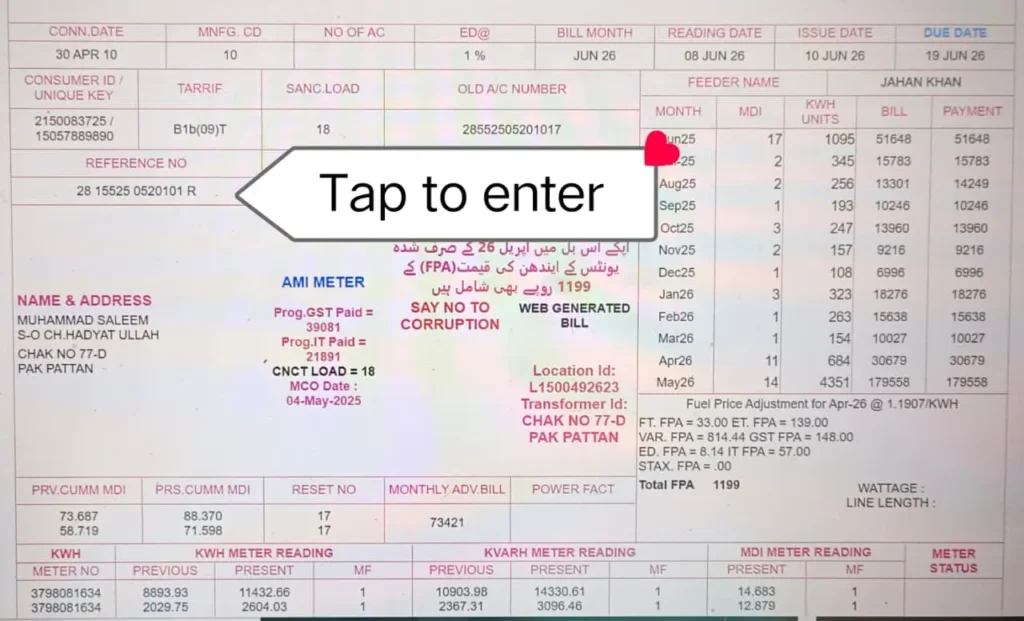
For many consumers, online bill checking has become much easier because the IESCO online bill check 14-digit system works as a mobile-friendly, fast-loading, and available 24/7 free tool for checking an online bill without delays. From my experience handling utility-related queries, the quickest method is to use the 14-digit reference number as the digital key for your electricity account in the billing system of IESCO (Islamabad Electric Supply Company). Simply enter the 14 numerical digits of the reference number or consumer ID number in the input box, press the Check Bill button, and get bill access, bill download, print bill, bill print, bill status, due date, bill details, bill information, bill verification, bill data, exact bill data, bill history tracking, and bill fetch from the central server. Whether you need a monthly electricity consumer bill, current bill, past bill, previous bill, duplicate bill, IESCO duplicate bill, legal duplicate copy, or bill copy, the system helps track electricity charges, electricity consumption, units consumed, current units, MSR, Meter Reading status, arrears, and unpaid arrears linked with meter connection, connection details, and connection identification through the consumer identification code, consumer number, customer ID, account number, and old 10-digit account number. You can find Reference No on the top left corner, upper left side, or top portion of bill near the bill logo in the document top section of an old bill, old bill photo, or payment receipt, and if a misplaced bill or delayed bill from post delivery causes problems, a family member, house owner, phone storage, or customer helpline 051-9252626 may help. The online system supports bank payments, follows a digitization effort, maintains privacy protection, privacy, safety, and safe bill checking through publicly available bill data without exposing personal information, while avoiding errors like typing mistake, spaces between numbers, fewer than 14 digits, more than 14 digits, or an old month reference number during reference lookup, reference search, and the step-by-step guide across Islamabad, Rawalpindi, Attock, Jhelum, Chakwal, surrounding areas, and other service regions using this utility service.
Print or Save Your Bill
After using the check bill button, your online bill and the IESCO bill online check page open with an instant bill view that gives quick bill access, bill details, and bill information. From my experience, keeping a digital copy has saved me more than once when I needed a payment record later. You can use online bill check for fast bill retrieval, then print the bill through bill print to get a hard copy, or save the bill as a PDF form with a PDF download option for a downloadable bill, printable bill, electronic copy, and secure bill record of your electricity bill through an easy bill display and clear bill view.
IESCO Peak Hours
| Months | Peak Hours Timing | Off-Peak Hours Timing |
|---|---|---|
| December to February | 5:00 PM to 9:00 PM | Remaining |
| March to May | 6:00 PM to 10:00 PM | Remaining |
| June to August | 7:00 PM to 11:00 PM | Remaining |
| September to November | 6:00 PM to 10:00 PM | Remaining |
Understanding Bill Components
Reading an electricity bill becomes much easier when you understand the key bill components because they provide useful bill details and clear bill information for everyday use. From my experience, many people only look at the total amount due and due date, but checking the amount due, consumption history, electricity usage, electricity consumption, payment details, and payment history can give better billing insights. This also helps with usage tracking, consumption analysis, payment management, utility payments, electricity expenses, and stronger bill understanding, allowing users to make more informed decisions about their monthly electricity habits.
Understanding Taxes and Charges in Your IESCO Bill
From my experience checking utility bills regularly, many people focus only on the final amount and miss the smaller details that affect spending. In an IESCO Online Bill, electricity bills often include different charges, taxes, surcharges, and utility charges beyond the electricity cost for consumed units. A careful bill review of bill details and the billing structure helps you understand taxation details, billing charges, and payment charges added by government bodies and regulatory bodies. Since policy changes can create fluctuating costs, keeping an eye on energy usage, electricity usage, energy costs, and overall expenses supports better cost awareness, cost management, expense management, electricity expenses, and stronger bill understanding for smarter financial planning.
Smarter Ways to Cut Electricity Costs
From what I have seen in everyday home use, small changes create noticeable savings on an IESCO online bill. For better energy saving, follow simple tips like switching off lights and other appliances when not needed, using energy-efficient appliances, avoiding high-energy products during peak hours, and taking advantage of natural light with ventilated rooms to reduce air conditioner use, especially in the summer season when electricity demand and peak electricity demand rise with the country’s energy needs. Good energy management, energy conservation, and smart energy habits improve electricity savings, utility savings, and cost reduction, helping save money and achieve a lower bill with lower electricity costs and reduced electricity expenses. I have noticed that fan usage around 4 units, TV usage near 3 units, and AC usage from a one-ton AC reaching 18 units during continuous operation can increase power consumption, electricity consumption, electricity usage, and daily units, so maintaining air conditioner maintenance, using energy-efficient bulbs, controlling household appliances, encouraging efficient habits, usage reduction, reduced energy use, and better cooling efficiency can support save energy and more manageable electricity bills.
Smart Solar Options for Lower Electricity Costs
Over time, I have noticed that many consumers struggle with the rising cost of electricity bills and the monthly increase in expenses, which can create financial stress and high bills. Using solar panels as an energy solution can support bill reduction, reduce financial stress, and even eliminate electricity bills through a properly installed system that uses solar energy, renewable energy, and clean energy for power generation, energy production, and a stable power supply. A complete solar system improves electricity management, energy efficiency, and electricity savings by lowering electricity usage, electricity consumption, and helping reduce electricity bills while providing appliance power for water pumps, refrigerators, irons, air conditioners, and other household appliances that power appliances through a cleaner energy source. When your solar power creates extra electricity or excess energy, a grid connection allows sell electricity through grid export, energy transfer, and the electricity grid, which may provide electricity credits, payment credits, and payment based on your energy output, creating cost savings, utility savings, and support during periods of high electricity demand and growing energy needs through efficient electricity generation while lowering your electric bill.
Understanding Fuel Price Adjustment Charges
While checking an Iesco bill, many people notice an extra charge called FPA or fuel price adjustment, which is linked to changing fuel prices used by power companies to generate electricity. In my experience, this part of the electricity bill often changes because of crude oil costs, fuel consumption, and the overall power generation cost required for electricity generation at different power stations. These changes in fuel prices create fuel fluctuations, bill fluctuations, and even sudden fluctuations in your monthly bill, affecting electricity charges, utility charges, billing cost, and total electricity expenses. Since energy production, electricity supply, and power supply cost depend heavily on fuel cost, the system applies variable charges, tariff adjustment, billing adjustment, and fuel-based pricing to balance energy pricing, electricity pricing, energy cost variation, and the wider oil price impact on consumer billing.
TR Surcharge:
Many people notice TR on their IESCO bill, but do not fully understand how this Tariff Rationalisation Surcharge works. In simple terms, it is linked to NEPRA, GOP, government tariffs, and the overall tariff structure used in the power sector. This surcharge appears when there is a tariff difference between official rates and the actual power supply cost. A positive difference may result in a government subsidy or public subsidy, while a negative difference can create an IDTR surcharge paid through distribution companies or a distribution company. During my own review of monthly bills, I noticed this billing adjustment often changes with tariff policy, government regulations, and overall electricity pricing, which directly affects electricity consumers and their electricity expenses. This charge is also connected with financial losses, electricity theft, distribution losses, and non-recoverable power supply costs in the national electricity supply network. The added fee, recovery charges, utility surcharge, billing charges, energy charges, and supply charges help support financial recovery and cost recovery within the power utility and broader energy supply system. In the current billing system, factors like power distribution, power cost, utility costs, consumer billing, utility billing, tariff rates, tariff adjustment, tariff calculation, subsidy payment, energy billing, and electricity management all influence your final electricity bill and total electricity charges.
QTR Tariff Adj / DMC:
In my experience reviewing an electricity bill, the quarterly tariff adjustment or QTR Tariff Adj / DMC is one of the most misunderstood bill charges in the billing system. This tariff adjustment amount is usually added after three months and depends on electricity consumption, electricity usage, and updated tariff policy decisions. The charge includes quarterly charges, usage charges, energy charges, utility charges, tax charges, and other consumption-based charges linked with electricity pricing, tariff rates, and rate adjustment rules. For domestic users and domestic consumers, the tax application normally starts after over 300 units, while commercial users, commercial consumers, and industrial consumers may receive these electricity taxes from the first unit consumed. This process also affects consumer billing, billing adjustment, billing amount, monthly bill, billing cycle, and total electricity costs based on unit consumption, power consumption, power usage, electricity demand, and overall energy consumption. Factors like commercial tariffs, industrial tariffs, domestic tariffs, tariff structure, tariff calculation, cost adjustment, usage threshold, consumption limit, consumer category, electricity units, electricity expenses, and surcharge values all play a role in shaping accurate billing details and smooth usage-based billing for every customer.
Many IESCO Customers often notice extra billing charges in their monthly bill besides the normal electricity cost, and understanding these amounts can make consumer billing much easier. In my experience, checking every line item carefully helps avoid confusion about electricity expenses, especially when different government charges, utility charges, and financial charges are added to the IESCO bill. The Financing Cost Surcharge or FC Surcharge is charged at 43 paisa per unit to support debt repayments for Power Holding Private Limited, improve debt recovery, and maintain financial stability in the energy sector. The Electricity Duty is a government-imposed tax calculated as a percentage tax on the electricity bill amount, while Income Tax is a government-imposed income tax based on consumption categories, where higher usage results in higher taxes through proper tax calculation and electricity pricing policies.
The bill also includes Meter Rent for meter service, including installation fees, maintenance charges, meter reading, and electricity meter handling through regular meter charges. If there is an unpaid bill after the due date, Late Payment Charges or a late fee become part of the payment amount, and additional payment charges. Another major part is General Sales Tax or GST, where almost 17% sales tax is included as a sales tax amount in monthly electricity charges and other energy charges. The Neelum-Jhelum Surcharge applies 10 paisa per unit of electricity consumed to support the hydroelectric project, including the Neelum project, which receives nearly Rs. 7.5 billion in annual funding through this surcharge amount. You may also notice a TV Fee of Rs. 35 added as support funds for Pakistan Television (PTV). All these electricity taxes, power sector charges, electricity supply cost, and overall cost directly affect electricity usage, electricity consumption, bill payment, and the final electricity bills you receive every month.
Payment Options
- Bank Branches
- ATM Payments
- Mobile Banking
- Payment Centres
- Digital Methods
- Post Offices
- E-Sahulat, NayaPay, and Omni Shops
Iesco Structure
Since 1998, IESCO (Islamabad Electric Supply Company) has managed important responsibilities and functions related to electricity supply, electricity distribution, and electricity sales across the Islamabad area and nearby service areas. From my experience dealing with utility systems, a strong administrative structure always improves consumer services and overall electricity management. The company operates through six circles, 6 circles, 20 divisions, and 110 subdivisions, where circles are supervised by Superintending Engineers (SEs), divisions are controlled by Executive Engineers (XENs), and subdivisions are handled by Divisional Officers (SDOs). This organized distribution system supports smooth utility operations, efficient engineering management, and stable electricity operations throughout multiple power supply regions.
As a major electricity company and power utility, IESCO manages a large electricity network stretching from Attock to Jhelum, and from the Indus River to the Neelum River in Kashmir. The company works as an electricity provider, supply authority, and utility company responsible for regional electricity supply, energy distribution, electricity transmission, and complete electricity administration within its service jurisdiction. This broad electricity coverage, reliable supply system, and strong electricity infrastructure help maintain the growing demands of the electricity sector, while improving regional operations, power distribution, utility management, and other essential energy services for consumers.
Circles and Division
Islamabad Circle
Islamabad Division 1
Islamabad Division 2
Barakahu Division
City Circle Rawalpindi
City Division
Satellite Town Division
Westridge Division
Jhelum Circle
Jhelum Division 1
Jhelum Division 2
Gujar Khan Division
Chakwal Circle
Chakwal Division
Talagang Division
Dhudial Division
Pind Dadan Khan Division
Attock Circle
Attock Division
Taxila Division
Pindigheb Division
Cantt Circle Rawalpindi
Cantt Division (Rawalpindi)
Rawat Division
Tariqabad Division
Mandra Division
Energy-Saving Tips:
In my experience, proper usage management and smart appliance management can make a huge difference in controlling electricity bills and improving overall energy savings at home. Start by checking your unit consumption and estimating the daily units used by different appliances to better understand your electricity usage, electricity consumption, and overall power consumption. During the day, use natural sunlight for daytime lighting instead of depending on electric bulbs, because effective sunlight usage supports daytime energy saving, energy conservation, and helps reduce electricity usage. It is also better to avoid energy-intensive appliances like air conditioners and water heaters during peak hours, when electricity rates and higher electricity rates increase due to high electricity demand and heavy peak time usage. Following energy-efficient habits, improving appliance efficiency, and practicing smart appliance usage can lead to better energy management, smoother electricity management, improved efficient energy use, and noticeable cost reduction through lower electricity expenses, reduced power usage, reduced power consumption, and better utility savings with strong energy optimization and complete energy control for all household appliances.
Fixing Errors in Your IESCO Bill
While checking an IESCO bill, I have personally noticed that small billing errors in the electricity billing system can create major payment confusion for many users. An incorrect bill, a wrong bill amount, or unexpected incorrect charges may increase the payable amount and lead to unnecessary customer stress. These billing mistakes often appear as overbilling, billing discrepancies, or other billing concerns linked with utility billing, consumer billing, and electricity charges. A careful bill review, proper bill verification, and accurate charge verification can help identify account errors, reduce electricity expenses, and solve payment issues before the due date. In many cases, quick bill correction, payment correction, and proper billing adjustment through billing support or issue resolution channels help consumers manage electricity payments, handle customer complaints, and improve overall bill management without extra hassle.
Wrong Meter Reading
Many people notice a billing issue when the entered reading on the electricity bill does not match the actual reading on the physical meter. A higher reading, a lower reading, or any incorrect reading can increase the payable amount and create a serious billing discrepancy in the electricity billing system. In my experience, the best way to handle a wrong reading is to do a quick meter check, compare the bill reading with the physical reading, and complete proper meter verification through meter comparison and bill comparison. If you find a reading mismatch, meter error, bill error, or inaccurate reading, immediately report issue details and report to IESCO old bill check through customer support, billing support, or a formal consumer complaint and service complaint channel. This verification process usually includes meter inspection, checking meter data, confirming unit reading, reviewing meter status, and requesting a reading update, reading correction, or billing correction to fix incorrect electricity charges, manage electricity usage, and reduce unnecessary electricity consumption problems linked with any consumer issue or utility complaint through proper issue reporting and complaint reporting.
Extra Units Charged
Sometimes an electricity bill shows miscalculated units because of faulty data entry or another data entry error in the electricity billing system. A small unit calculation error, incorrect unit calculation, or calculation mistake can affect electricity charges, increase electricity expenses, and create incorrect billing with a higher number of payable units. From what I’ve seen, the easiest way to handle this billing discrepancy is to compare the current reading, previous reading, and meter reading through proper reading comparison and meter comparison. This helps with accurate consumption calculation, usage calculation, and unit verification based on actual electricity units and units consumed. A careful bill review, proper usage verification, and checking meter data can improve bill accuracy, support bill correction, and help with billing adjustment or issue correction through billing support if any consumer issue appears in consumer billing related to electricity consumption, electricity usage, power consumption, unit tracking, or recalculated units using a corrected reading.
IESCO Tariff & Understanding Tariff Details
| Category | Per-Unit Rate / Key Details |
| Average / Uniform Base Tariff | ~ Rs 31.59 per kWh |
| Domestic (Home Use) | For a protected consumer, the first 100 units of usage are Rs. 10.54, under 200 rate is Rs. 13.10, and above 200 will be charged at Rs. 33.10 per unit. Non-protected will be charged on all units at Rs. 33.10. |
| Commercial | Commercial tariffs are higher than domestic tariffs. For example, under IESCO, “General Supply – Commercial (A-2)” has a rate around Rs. 42.48 per kWh in some categories. |
| Industrial | Industrial rates can vary depending on load, voltage, and time-of-use. Some quoted rates under IESCO are Rs. 30–37 per kWh, depending on load and peak/off-peak periods. |
How to Reduce Your IESCO Bill?
You can lower your IESCO bill without sacrificing your comfort. Please follow these simple tips:
Energy-Efficient Appliances & Practices
- Use LED bulbs instead of old tube lights.
- Install inverter ACs and refrigerators.
- Turn off extra fans, lights, and devices.
- Unplug chargers when not in use.
- Run washing machines with full loads only in off-peak hours.
Use Solar Net Metering & Renewable Energy
- Install solar panels for a home or office.
- Use net metering to send extra power to the grid.
- Explore other renewable energy options if possible.
- Think of solar as a long-term investment.
- Enjoy lower bills and even zero-bill months.
Frequently Asked Questions About IESCO Online Bill
Q: What is the fastest way to check an IESCO online bill?
A: Open a trusted IESCO bill checking website like billcheck.pk or the official IESCO portal, enter your 14-digit reference number or customer ID, and your latest electricity bill will appear instantly with complete billing details.
Q: Is it possible to check an IESCO bill without the reference number?
A: In some cases, yes. You may use your customer ID, consumer number, or contact IESCO customer support to recover your reference number. Most online systems, however, mainly work through the 14-digit reference number.
Q: Where is the reference number located on the IESCO bill?
A: The reference number is usually printed near the top corner of the electricity bill. It is a unique 14-digit number used for bijli ka bill check karna, downloading duplicate copies, and online payments.
Q: Can I download an old or duplicate IESCO bill online?
A: Yes. By entering your reference number on an online IESCO bill portal, you can download duplicate copies of current and previous monthly bills in PDF format for printing or record keeping.
Q: Does the IESCO reference number change every month?
A: No. The 14-digit reference number normally stays the same for a specific electricity bill check in Islamabad connection unless the meter or connection details are officially changed.
Q: Can I check my IESCO bill using CNIC, meter number, or name?
A: Most bill checking systems require the reference number or customer ID. Some portals may allow CNIC or consumer number searches, but meter number and name searches are generally unavailable for privacy reasons.
Q: How can I pay my IESCO bill online from home?
A: You can pay through mobile banking apps and digital wallets like JazzCash, Easypaisa, and UPaisa. Simply select Electricity Bills, choose IESCO, enter the reference number, confirm the amount, and complete the payment.
Q: How do I know whether my IESCO bill has been paid or not?
A: After entering your reference number on a bill checking portal or wallet app, the system usually displays the payment status. A paid stamp or payment confirmation means the bill has already been cleared.
Q: What happens if I pay my IESCO bill after the due date?
A: Late payments may include additional surcharge charges. If the bill remains unpaid for too long, IESCO may temporarily disconnect the electricity connection.
Q: What should I do if my IESCO bill is not showing online?
A: Recheck the reference number carefully and try again after some time because billing portals sometimes face server delays or maintenance issues. If the problem continues, contact the nearest IESCO office or helpline.
Q: Why is my electricity bill check Lahore suddenly higher than usual?
A: A higher bill may result from increased unit consumption, incorrect meter readings, seasonal appliance usage, peak-hour consumption, fuel price adjustments, or additional taxes and surcharges added to the bill.
Q: How can I reduce my IESCO electricity bill effectively?
A: Use energy-efficient appliances, switch off unused devices, avoid peak hours, improve AC maintenance, and rely more on natural sunlight during the day to reduce electricity consumption and monthly expenses.
Q: What are IESCO’s peak hours, and why do they matter?
A: Peak hours are usually between 7–10 AM and 6–10 PM when electricity demand is highest. Electricity usage during these times may increase overall energy costs.
Q: Can I receive my IESCO bill through email or SMS alerts?
A: Yes. IESCO offers bill subscription services where consumers can register their email address or phone number to receive monthly bill notifications and duplicate bill copies digitally.
Q: What is an IESCO bill calculator, and how does it help?
A: The IESCO bill calculator estimates your monthly electricity charges based on consumed units. It helps consumers understand expected taxes, fuel adjustments, GST, meter rent, and other billing components before the actual bill arrives.
Q: What should I do if my meter reading is incorrect?
A: Compare the physical meter reading with the reading printed on your bill. If you notice a mismatch, immediately report the issue to IESCO customer support for correction and billing adjustment.
Q: Can I apply for a new electricity connection online?
A: Most new IESCO connection requests still require submitting the Application and Agreement (A&A) form along with necessary documents at the local IESCO office or subdivision.
Q: What is a detection bill in IESCO?
A: A detection bill is an additional charge issued when IESCO identifies issues such as meter tampering, unauthorized electricity usage, direct connections, or incorrect previous meter readings.
Q: Is it safe to use third-party websites for IESCO duplicate bill checking?
A: Yes, but only use trusted HTTPS-secured websites that ask only for your reference number and do not request sensitive personal information like passwords or banking details.
Q: Which areas are covered by IESCO electricity services?
A: IESCO provides electricity distribution services in areas including Islamabad, Rawalpindi, Attock, and Jhelum, along with surrounding regions.
Q: What are the official IESCO customer support numbers?
A: Consumers can contact IESCO customer support through helpline numbers, including 118, 051-9252937, 051-9252938, and 051-9252939 for billing complaints, outages, and service-related issues.